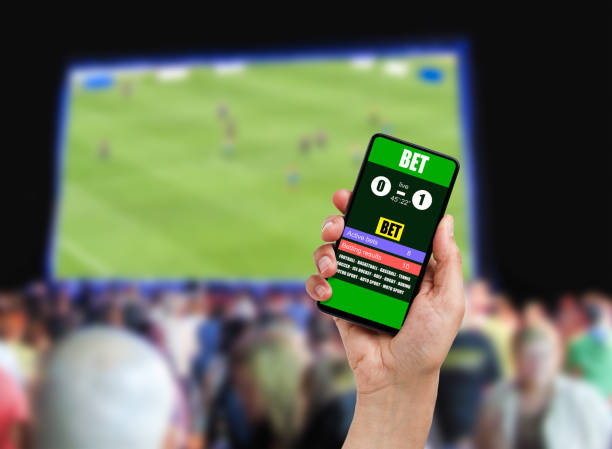
Responsible play starts with knowing which controls are available before money or time becomes a concern. The Canadian-facing information for online casino spinsy describes self-exclusion through support, account monitoring and assistance with account changes, while noting that other self-service limits may not appear consistently. That makes it important to decide on personal boundaries first, confirm the available controls, and keep promotional features separate from a realistic entertainment budget.
Begin with limits you can explain clearly
A useful gambling limit is specific enough to guide a decision. “I will be careful” is difficult to measure, but “I will spend no more than this amount during the month” gives you a clear stopping point. The same approach can apply to time, deposits, losses or the number of sessions completed in a week. Choose figures that fit your normal household budget, not an amount justified by a possible win.
Write the limit down before opening a game or sportsbook market. Include money that may be spent on casino games, live tables, sports bets, tournaments and promotional requirements, because these activities can draw from the same account balance. A bonus should never be treated as extra income. If a promotion requires wagering, consider the deposit and any qualifying play as part of your entertainment spending from the beginning.
Review the plan when you are calm, rather than after a losing session. If the limit feels restrictive, that may be useful information: it could indicate that the planned amount is higher than you can comfortably afford. Never borrow, use essential household funds or delay bills to continue playing. Gambling should remain optional spending, and stopping should not create financial stress or conflict with ordinary responsibilities.
Check which controls are actually available

Account controls can differ by operator, product and jurisdiction, so do not assume that every platform provides the same menu of tools. The available information identifies self-exclusion as a responsible-gaming option and says it can be requested through support. It also warns that public descriptions of deposit, loss and session limits are inconsistent. Treat that qualification seriously and ask what can be activated on your account.
Before depositing, contact support with precise questions. Ask whether the account can have a deposit limit, loss limit, wagering limit, session reminder or cooling-off period. Request the duration, start time and effect of each control in writing. Clarify whether a limit applies to casino play, live casino, sports betting and virtual sports together, or whether each product has separate settings.
Keep any confirmation of the control, including the date it starts and the date it ends if it is temporary. A tool is only useful when you understand its scope. If support cannot provide a clear answer, use your own banking, budgeting or device-level safeguards as an additional barrier, and do not deposit until the uncertainty is resolved. External guidance from CAMH’s problem gambling information can also help explain warning signs and support options.
Use self-exclusion as a firm break
Self-exclusion is stronger than taking a short pause. It is intended for someone who wants to prevent access for a defined period or until they are ready to reconsider their relationship with gambling. The source information says a request can be made through support, but it does not publish a universal duration or detailed procedure. Ask support to explain exactly what will happen before submitting the request.
When requesting self-exclusion, state the request plainly and avoid framing it as a temporary technical problem. Ask whether the restriction covers the casino, live casino, sportsbook, live betting, virtual sports and promotional messages. Also ask whether existing balances, pending transactions or verification requests require separate handling. Do not assume that closing an account automatically resolves every financial or identity process connected with it.
After self-exclusion is requested, remove saved payment details and promotional notifications where possible. Consider blocking gambling websites and apps on your devices, and tell a trusted person that you are taking a break. If urges are difficult to manage, seek professional or community support rather than relying only on willpower. A self-exclusion request is a protective step, not a test that you must pass alone.
Separate promotions from responsible decisions
Promotions can make spending feel less immediate, particularly when they combine bonus funds, free spins, cashback, challenges or rewards. The Canadian-facing material describes several promotional categories, but also notes that terms can change and that current conditions should be checked in the account’s bonus area. A responsible decision does not depend on accepting an offer, even when it appears time-sensitive or personally targeted.
Read the full terms before activation and identify the practical conditions: the qualifying deposit, wagering calculation, expiry period, eligible games or bets, maximum conversion, and withdrawal restrictions. Older descriptions should not be treated as the current rules for a newer offer. If the details are unavailable or confusing, ask support for clarification before activating the promotion. Do not deposit simply to unlock a reward.
Keep promotional play outside your ordinary budget rather than increasing the budget to meet a requirement. Track the real amount deposited and the amount wagered, not just the displayed bonus balance. Rewards, coins and VIP progress can encourage longer sessions, so decide in advance whether they add meaningful entertainment value. If a promotion makes it harder to stop, declining it is a responsible choice.
Recognise when account monitoring is not enough
The available information says account and transaction data may be monitored for fraud prevention, anti-money-laundering checks, security and potentially harmful gambling behaviour. Such monitoring may help an operator identify unusual activity, but it should not be mistaken for a personal spending safeguard. You remain responsible for noticing changes in mood, time, finances and relationships.
Warning signs can include chasing losses, hiding gambling from family, gambling longer than planned, using money intended for necessities, feeling unable to stop, or repeatedly increasing stakes to recover earlier losses. Other signs include neglecting work or study, losing sleep, borrowing money, or feeling anxious and preoccupied when not gambling. One sign does not define a person, but several together deserve prompt attention.
Take action early: stop depositing, pause access, ask for self-exclusion and speak with someone you trust. Keep bank statements and account records available if you need to understand the financial impact. If gambling is affecting safety, mental health or essential expenses, contact a qualified support service or health professional. Urgent emotional distress should be treated as a health concern, not solved through another bet.
Questions Canadian players often ask
Can I rely on a session or deposit limit being available?
No. The available information says public descriptions of additional self-service limits are inconsistent, so availability should be confirmed on the individual account. Ask support about deposit, loss, wagering and session controls, including their scope and activation time. Until confirmed, use personal budgeting and banking safeguards rather than assuming a feature exists.
What should I ask for when requesting self-exclusion?
Ask for the available duration, the products covered, the start time, treatment of pending transactions and whether promotional messages will stop. Request written confirmation. Do not assume that self-exclusion covers casino games, live betting and sports products equally unless support states this clearly. Remove saved payment methods as an added precaution.
Should I accept a bonus if I plan to play responsibly?
Only if you understand every condition and can afford the underlying deposit without relying on winnings. Check wagering, expiry, eligible games, withdrawal restrictions and activation requirements first. A bonus is optional and may lengthen play. If the terms are unclear or the offer pressures you to deposit, decline it and keep your original spending plan.