When you set a monthly savings goal of just 10 % of your take‑home pay, you can see a 12‑month growth of about 1 200 USD, assuming no debt and a 5 % return on a high‑yield savings account. That’s more than enough for a mid‑range vacation or a new laptop. The trick is not how much you earn, but how you track and adjust your spending.
Start with a Zero‑Based Budget Spreadsheet
Open a fresh Google Sheet, name the tabs “Income,” “Fixed,” “Variable,” and “Savings.” Enter every paycheck in the Income tab. In Fixed, list rent, car payments, insurance, and utilities. Variable captures groceries, dining out, subscriptions, and entertainment. Finally, allocate a line for “Emergency Fund” and “Investments.”
After populating, subtract the total of Fixed and Variable from Income. Whatever remains is the amount you can move into Savings or an investment account. If the result is negative, adjust Variable items by trimming one streaming service or cutting back on take‑out meals to 50 % of the current spend.
Leverage Mobile Apps for Real‑Time Tracking
Download an app that links directly to your bank and credit cards. Revolut, Monzo, or Mint automatically categorize each transaction. Within 30 seconds of a purchase, the app updates your budget totals. This eliminates the weekly “I forgot to log that expense” cycle.
- Daily Alerts: Set a threshold of 200 USD for discretionary spending. When you cross it, the app sends a push notification.
- Goal‑Setting: Create a goal of 500 USD for a new gaming console. The app shows you the exact number of days left if you stick to your plan.
- Cash‑Back Rewards: Some apps partner with retailers to give you back 1–2 % on groceries.
Automate Transfers to Avoid the “I’ll Save It Later” Trap
Most banks let you schedule a recurring transfer from checking to a high‑yield savings account. Set the transfer for the day after each paycheck. If your salary lands on the 15th and 30th, schedule transfers for the 16th and 1st. This way, the money is already out of reach before you can spend it on impulse.
For investment, use a robo‑advisor that rounds up every purchase to the nearest dollar and invests the change in a diversified ETF portfolio. Over a year, those small increments can add up to a few hundred dollars.
Integrate a “One‑Click” Entertainment Budget
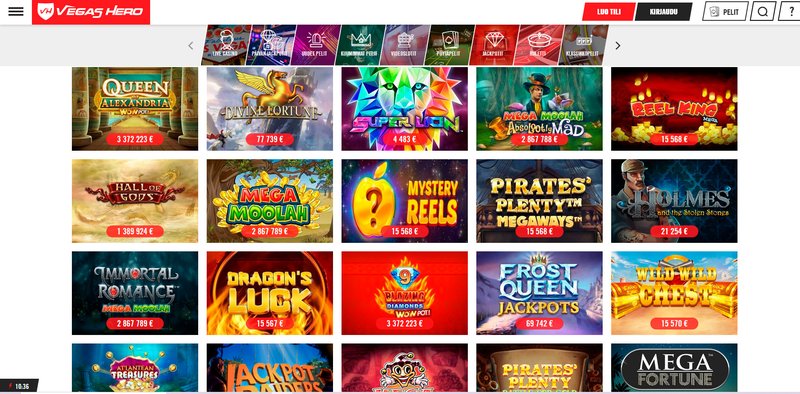
Online gaming and entertainment can easily erode a budget if left unchecked. A short paragraph that illustrates this point is worth a page. If you’re looking to blend financial discipline with leisure, check out Vegas Hero Casino for a balanced gaming experience that respects your limits.
Review and Adjust Monthly
On the last day of each month, pull your bank statement and compare it to your spreadsheet. Highlight any categories that exceeded the budget by more than 10 %. Ask yourself: “Was this an emergency or a mistake?” If it’s a mistake, move the overage to the next month’s Variable budget and add a line item for “Lesson Learned.” If it’s an emergency, consider adding a new line for “Unplanned Expenses” in your Variable tab.
Repeat this process. After three months, you’ll notice trends: perhaps you’re overspending on streaming services or under‑allocating for groceries. Adjust the percentages accordingly. A 5 % increase in your grocery budget can reduce the need to eat out, saving you 300 USD per month.
Conclusion: Small Steps, Big Impact
By combining a zero‑based spreadsheet, real‑time mobile tracking, automated transfers, and a monthly review, you’ll move from reactive spending to proactive saving. The numbers speak for themselves: a disciplined approach can turn a modest 10 % income allocation into a substantial nest egg in under a year. Start today, and watch your budget evolve into a strategic asset.
Frequently Asked Questions
How much can I save in a year with a 10% savings goal?
About $1,200, assuming no debt and a 5% return on a high‑yield savings account.
What is a Zero‑Based Budget Spreadsheet?
A Google Sheet where every dollar is assigned to Income, Fixed, Variable, or Savings categories.
Can I use this method for a vacation fund?
Yes, the $1,200 growth can cover a mid‑range vacation or a new laptop.